


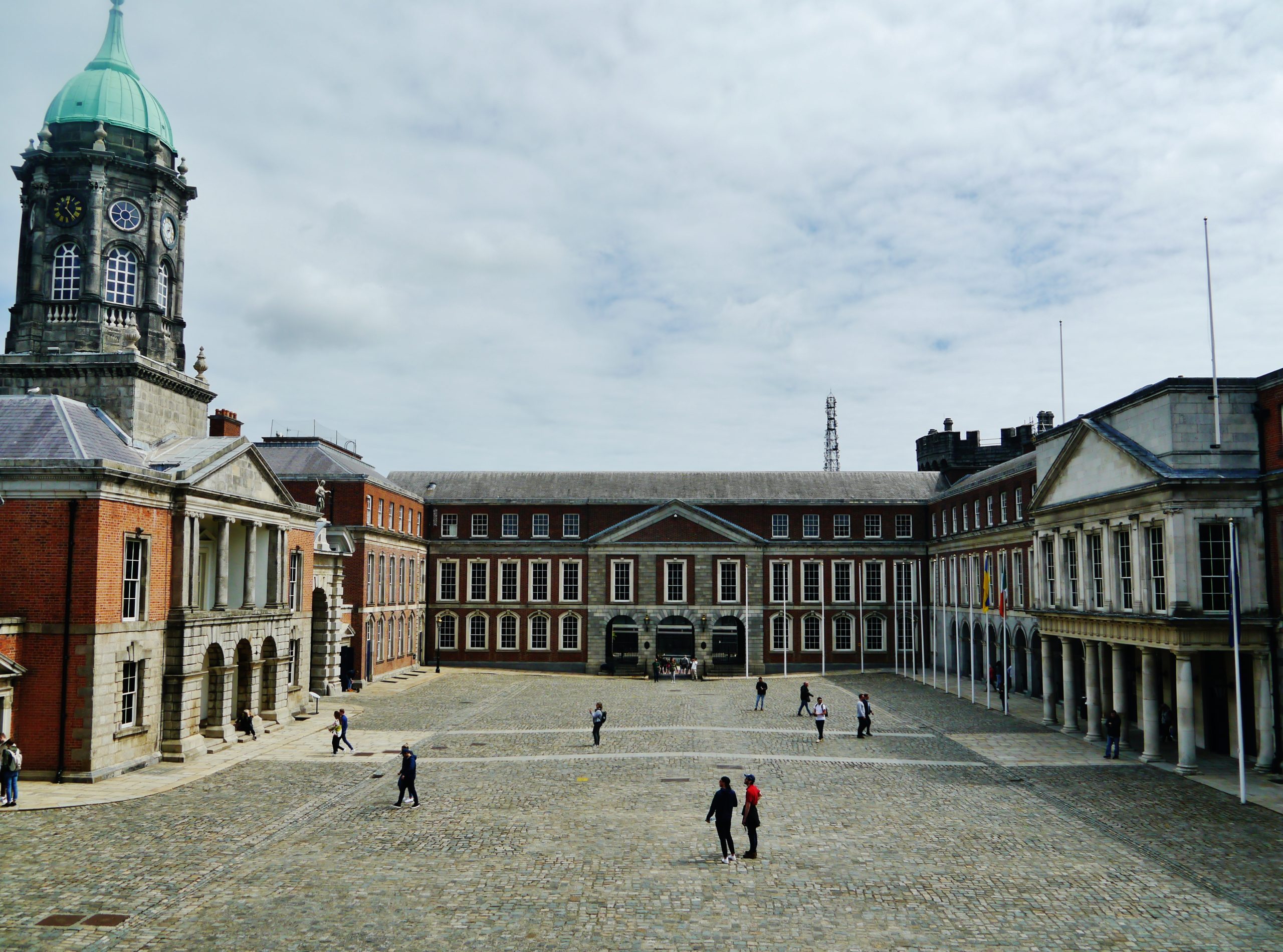
European Union housing ministers are gathering in Dublin on 25 and 26 November 2026 to discuss housing affordability, residential investment and the growing challenges facing households across Europe.
Hosted by Ireland’s Minister for Housing, Local Government and Heritage, James Browne, the informal meeting forms part of Ireland’s presidency of the Council of the European Union.
Discussions are focused on advancing the European Affordable Housing Plan and developing closer cooperation between member states to address housing shortages, exclusion and homelessness.
EU Housing Policy Takes Centre Stage in Dublin
The meeting provides an opportunity for European ministers to examine shared housing challenges and exchange experiences from their respective countries.
Although housing markets differ across Europe, many countries face similar difficulties involving construction costs, limited housing availability and increasing pressure on household budgets.
The European Commission has identified housing affordability as an issue affecting economic competitiveness, employment mobility and social inclusion.
When workers cannot find affordable accommodation near employment centres, businesses may experience greater difficulties attracting and retaining employees.
Housing shortages can also affect students, younger workers and families seeking to establish independent households.
European Affordable Housing Plan: What It Aims to Achieve
The European Commission presented its European Affordable Housing Plan on 16 December 2025, establishing a coordinated approach to addressing housing pressures across member states.
The plan includes measures intended to encourage residential development, attract additional investment, modernise construction processes and improve access to accommodation for vulnerable households.
An associated revision of state aid rules aims to make it easier for public authorities to support affordable housing initiatives.
The Dublin meeting provides ministers with an opportunity to consider how elements of this wider strategy can be advanced.
Housing policy remains primarily a national responsibility, meaning that individual governments continue to determine many of the measures affecting their domestic housing markets.
European House Prices Have Increased by More Than 60%
According to the European Commission’s housing plan, nominal residential property prices increased by more than 60% across the EU between 2013 and 2024.
Average rents increased by approximately 20% during the same period.
The Commission has identified shortages of skilled construction workers, rising building costs and administrative barriers among the factors limiting housing development.
These pressures are particularly relevant to urban areas experiencing population growth and strong demand for accommodation.
For prospective homebuyers, increasing property prices can make it more difficult to accumulate sufficient deposits, while higher rents can reduce the amount households are able to save.
The figures describe long-term European trends rather than newly released November 2026 housing statistics.
Housing Investment and the European Construction Sector
Encouraging investment in residential development forms an important part of Europe’s wider housing strategy.
Public funding and private investment can support different elements of housing delivery, from infrastructure and construction to the renovation of existing properties.
However, additional investment alone may not resolve supply shortages if development projects continue to face difficulties involving planning, labour availability or infrastructure capacity.
For construction businesses, more predictable development frameworks could support investment in workforce training, equipment and modern building techniques.
The European Commission has also proposed a pan-European housing investment platform to help mobilise resources for social and affordable accommodation.
Its practical impact will depend on implementation and the participation of financial institutions, public authorities and other stakeholders.
Ministers Address Housing Exclusion and Homelessness
Alongside the informal housing meeting, Dublin is hosting discussions involving ministers responsible for homelessness and representatives of the European Platform on Combatting Homelessness between 25 and 27 November.
A key priority is advancing a proposed Council recommendation intended to improve responses to housing exclusion and homelessness.
The platform was established in 2021 to strengthen cooperation between public authorities, service providers and organisations working with vulnerable people.
The Irish presidency coincides with a mid-term review of the initiative, providing an opportunity to assess progress and consider future priorities.
What the Dublin Meeting Means for Ireland
Ireland’s role as host places domestic housing concerns within a broader European policy discussion.
Our analysis of Ireland’s EU presidency and its implications for businesses and citizens explains how the country can help coordinate discussions and advance shared European priorities.
For Irish households, however, the ministerial meeting does not automatically introduce new housing grants, mortgage support or changes to rental regulations.
Specific domestic measures remain dependent on national policy decisions and applicable legislative procedures.
What Happens After Ireland’s EU Presidency?
Ireland’s presidency of the Council of the European Union concludes on 31 December 2026.
Lithuania will assume responsibility for the rotating presidency on 1 January 2027, allowing ongoing policy discussions to continue under new leadership.
Further details about the transition are available in our coverage of who takes over the EU Council presidency after Ireland.
The Dublin meeting represents another stage in Europe’s efforts to coordinate responses to housing affordability and homelessness.
As of 26 November 2026, the published meeting agenda confirms the subjects under discussion, but final decisions or additional funding commitments have not been confirmed in the available official sources.
Sources: Irish Presidency of the Council of the European Union, Informal Meeting of Housing Ministers, 25–26 November 2026; European Commission, European Affordable Housing Plan, 16 December 2025.
