


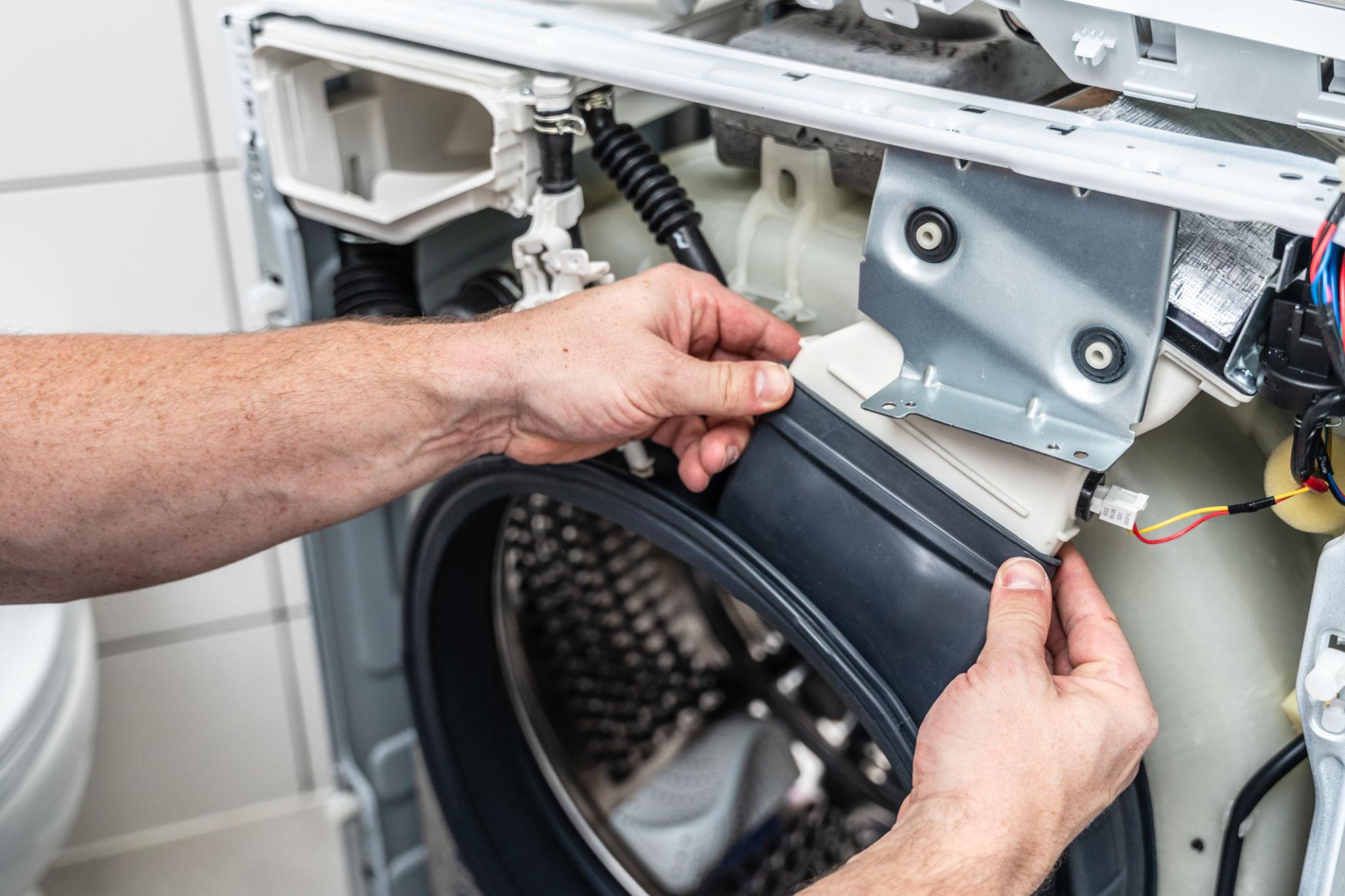
Across Europe, more households are fixing appliances rather than replacing them. Higher living costs are part of the story, but so is a wider shift in attitudes to waste, value, and resilience. For policymakers and businesses, the growth of do it yourself repair is a sign that the circular economy is becoming practical.
EU rules are pushing products to last longer
The EU has been building a policy framework that supports longer product lifecycles. The broad idea behind the right to repair is simple: consumers and independent repairers should be able to access spare parts and basic repair information, so a minor failure does not force an early replacement.
For manufacturers and retailers, this direction affects product design, after sales support, and supply chains for parts. For consumers and small repair businesses, it reduces friction. If parts are available and guidance is clear, repair becomes a realistic first option.
The practical case for DIY appliance repair
Repair is often presented as a sustainability choice, but it is also a budgeting choice. A new washing machine, fridge, or vacuum can be a major expense, and a call out fee may not feel worthwhile for an older model. DIY appliance repair can bridge that gap, especially when the issue is a common wear and tear component.
Typical examples include:
- A washing machine that will not drain because a pump or filter is blocked
- A vacuum cleaner that loses suction due to a split hose or worn brush head
- An oven that will not heat properly because the heating element has failed
In many cases, the fix is straightforward if the correct part is identified. That is where many people get stuck. Similar looking components, multiple model variants, and unclear part numbers can make ordering risky. Searches like find the right spare part by model number or washing machine pump replacement part Ireland reflect a common need: certainty.
For small repair services, the same issue exists at scale. Access to reliable parts and fast delivery can determine whether a repair job stays profitable.
How Fixpart helps people find the right part
A repair friendly market depends on one foundation: people must be able to find compatible parts quickly and with confidence.
Fixpart supplies spare parts and accessories for household appliances and is built around search by appliance type, brand, and model number. This reduces guesswork and helps non experts order components that match their specific device.
The wider repair experience matters too. Clear product descriptions, practical guidance, and responsive customer support can be the difference between a successful first repair and a frustrating false start.
What this means for the circular economy
DIY repair will not replace professional servicing, and it will not solve every failure. But it is becoming a meaningful layer in Europe’s repair ecosystem, supported by policy and driven by consumers who want to save money and reduce waste.
Before buying new, it is worth taking ten minutes to diagnose the problem and see whether a replacement part is available. If it is, a repair can extend an appliance’s life by years and keep bulky e waste out of the bin.
FAQs
1. Why are EU consumers choosing repair over replacement?
Consumers are considering repair because replacing an appliance can be expensive, while repairing it may extend its useful life. Concerns about waste and the wider shift towards a circular economy also support this choice.
2. What is the EU right-to-repair approach?
The EU’s right-to-repair approach aims to make repair a more practical option by supporting longer product lifecycles and improving access to repairs, spare parts and relevant information where applicable.
3. Is DIY appliance repair cheaper than replacement?
It can be, particularly when a fault involves a common component and the repair is straightforward. Consumers should compare the part cost and any tools or professional help needed with the cost of replacing the appliance.
4. Which household appliances can sometimes be repaired with replacement parts?
Examples include washing machines with blocked filters or faulty pumps, vacuum cleaners with split hoses or worn brush heads, and ovens with failed heating elements. The appropriate repair depends on the appliance, the fault and safety considerations.
5. How can I find the correct spare part for my appliance?
Check the appliance’s brand and exact model number, then compare that information with the spare part’s compatibility details. Matching the model variant helps reduce the risk of ordering an unsuitable component.
6. How does FixPart help consumers repair appliances?
FixPart supplies household appliance spare parts and accessories. Its website lets users search by appliance type, brand and model number to help identify compatible components.
7. Why is spare-part availability important for repair businesses?
Reliable access to compatible parts and timely delivery can help repair businesses complete jobs efficiently and manage costs. Unclear part numbers or incorrect components can cause delays and reduce profitability.
8. How does appliance repair support the circular economy?
Repair can extend an appliance’s useful life and help avoid unnecessary replacement. This can reduce avoidable waste and support a more circular approach to using household products.
9. Should every broken appliance be repaired?
No. Repair is not suitable for every fault. The decision depends on the appliance’s age and condition, the cost and availability of parts, energy efficiency and whether the repair can be carried out safely.
10. What should I check before attempting a DIY appliance repair?
Identify the exact appliance model and fault, confirm that the replacement part is compatible, and consider whether you have the right skills and tools. Disconnect the appliance from power before appropriate checks, and use a qualified professional for hazardous or complex repairs.
