


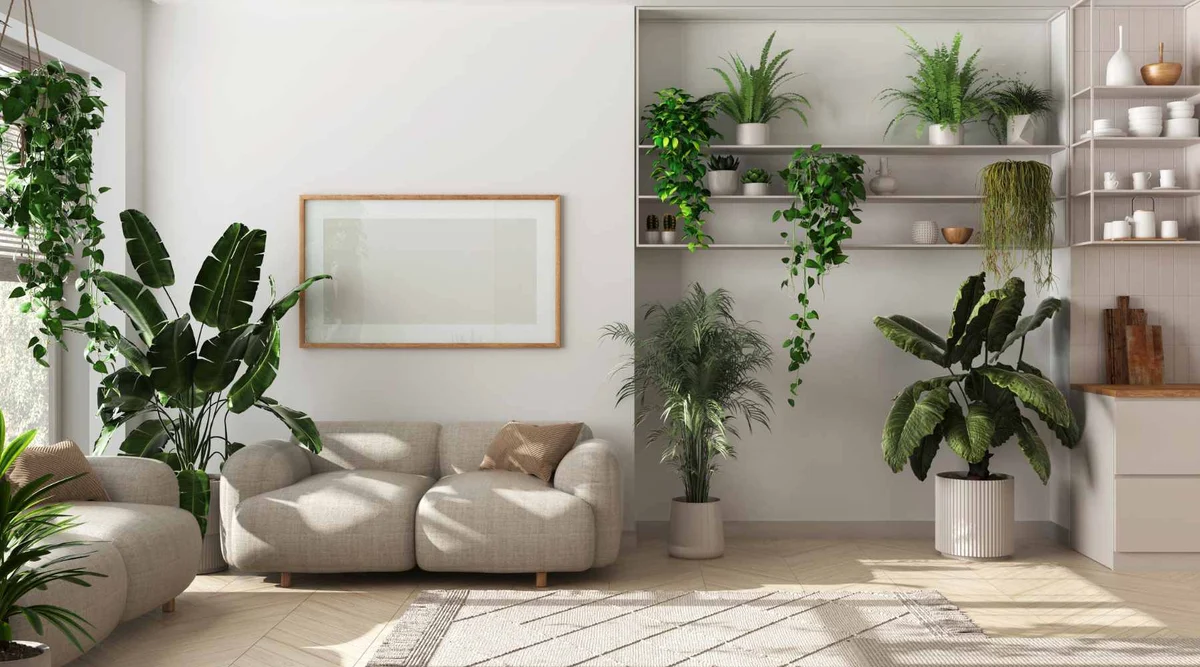
There is something quietly powerful about bringing greenery into your home. Not just a small potted herb on the windowsill, but a considered, deliberate arrangement of plants that makes your interior feel alive, grounded and genuinely beautiful. As summer 2026 hits its stride and the outdoors bursts with colour, more and more people are channelling that same energy inside their homes. The secret weapon behind many of the most stunning interiors right now? The planter itself. Choosing the right vessel for your plants is just as important as choosing the plants, and modern materials have opened up a world of design possibilities that simply did not exist a decade ago.
Why the planter matters more than you think
Most people spend a lot of time selecting the perfect plant and then reach for whatever pot happens to be on the shelf. But the container shapes the entire visual experience of an indoor plant. A trailing monstera in a heavy terracotta pot tells a completely different story than the same plant in a sleek, contemporary vessel. The material, weight, finish and proportions all influence how a plant reads within a room. Beyond aesthetics, the material also affects drainage, durability and how easy the planter is to move around as you refresh your interior layout. This is where modern materials genuinely outperform the traditional options that gardeners and interior enthusiasts have relied on for generations.
The unexpected advantage of lightweight materials in interior design
Here is an angle that most interior design guides overlook entirely: the weight of your planter directly affects your design freedom. Heavy ceramic and stone containers look stunning but they are essentially permanent once placed. If you want to rearrange a room, rotate a plant toward better light or simply try a new layout for the season, a heavy planter becomes an obstacle rather than a design tool. Fiberglass planters solve this problem elegantly. They mimic the look of concrete, stone or ceramic with remarkable accuracy, yet weigh a fraction of the equivalent traditional option. This means you can place a large, architecturally bold planter in a corner without worrying about floor loads or back strain when you want to move things around.
Designing with scale and proportion
One of the most underused principles in interior plant styling is scale. A single large planter with a dramatic plant, such as a fiddle-leaf fig or a tall ornamental grass, creates far more visual impact than a collection of small pots scattered across a shelf. Because fiberglass allows manufacturers to create large-format planters without the prohibitive weight of stone or ceramic, you can finally experiment with genuinely bold, large-scale indoor planting. A tall cylindrical planter standing in a corner beside a reading chair, or a wide low bowl anchoring a dining table display, introduces a sense of proportion and intention that instantly elevates the room.
Matching planters to your interior style
The versatility of fiberglass as a material means it translates across virtually every interior aesthetic. For a minimalist Scandinavian-influenced space, choose planters in matte white, pale grey or warm sand tones with clean geometric forms. For a more industrial or urban loft aesthetic, finishes that replicate raw concrete or brushed metal bring the outside world in with an edge. Warmer, organic interiors benefit from earthy terracotta-effect or aged stone finishes that feel tactile and grounded. Because the surface finish is applied during manufacturing, the range of colours and textures available through suppliers like My Steel is far broader than anything achievable with natural materials alone.
Combining plants and planters for year-round interest
August is a wonderful month to invest in your indoor plant display because the light is generous and long, which means plants are actively growing and looking their best. Pair bold-leafed tropical plants like alocasia or strelitzia with large, architectural planters to create a lush, summer-inspired interior that genuinely competes with the garden outside. As the seasons shift and light levels drop toward autumn, the same planters can house hardier evergreen species that hold their structure and colour through the darker months. The planter itself becomes a constant in your interior while the plants evolve with the seasons.
From decoration to deliberate design
The shift from simply owning houseplants to deliberately designing with them is one of the more exciting developments in contemporary interiors. It treats plants not as afterthoughts but as genuine design elements, worthy of the same consideration as furniture, lighting and textiles. Choosing the right planter is the foundation of that shift. When the vessel is beautiful, durable, lightweight enough to work with and available in a finish that genuinely suits your space, the plant inside becomes part of a considered composition rather than a decorative addition. That is the point at which indoor planting stops being a hobby and starts being a design language of its own. If you are ready to elevate your space, explore what modern planters can do for your interior and let your home reflect the same abundance that the season outside is offering right now.
FAQS
1. What is indoor plant styling?
Indoor plant styling means deliberately using plants, planters, scale, colour, materials and placement as part of a room’s overall interior design rather than treating plants as simple decorative additions.
2. Why does the planter matter in interior design?
The planter affects the visual appearance of a plant and its relationship with the surrounding room. Its material, weight, finish, colour and proportions can change how the entire plant display looks.
3. Are fibreglass planters suitable for indoor plant displays?
Fibreglass planters can be used to create large indoor plant displays while offering a lighter alternative to some traditional heavy materials. Their range of shapes and finishes can also suit different interior styles.
4. Why are lightweight planters useful indoors?
Lightweight planters can make it easier to rearrange a room, reposition plants for changing light conditions or refresh an interior layout without dealing with the weight of a large stone or ceramic container.
5. How can a large planter transform a room?
A large planter with a dramatic plant can create a strong focal point and introduce scale and proportion to a room. A single substantial display can sometimes have more visual impact than several small pots.
6. How should you match a planter to your interior style?
Choose the planter’s shape, colour, texture and finish to complement the room. Minimalist interiors can work with simple geometric forms and restrained colours, while industrial or warmer interiors can use concrete, metal, stone or terracotta-inspired finishes.
7. Which plants work well in large indoor planters?
The article highlights plants such as fiddle-leaf figs, ornamental grasses, alocasia, strelitzia and monstera as examples of plants that can create a strong visual presence in larger indoor displays.
8. Can indoor plant displays change with the seasons?
Yes. The article suggests keeping the planter as a consistent part of the interior while changing the plants or display as the seasons change, allowing the room to retain structure while its greenery evolves.
9. How can plants become part of interior design?
Plants can be treated like furniture, lighting and textiles: their size, position, container and relationship with other elements can be deliberately planned to create a cohesive composition.
10. What is a statement planter?
A statement planter is a visually prominent container that contributes significantly to a room’s design. Large-format planters can be particularly effective when paired with architectural or dramatic plants.
