


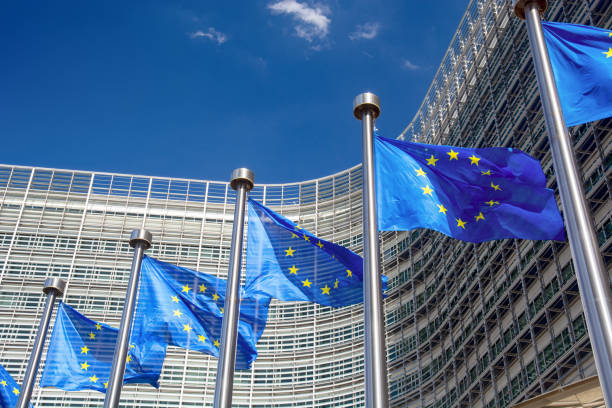
In 2026, UK–EU relations reached a critical juncture marked by the mandatory five-year review of the Trade and Cooperation Agreement (TCA) under Article 776. While maintaining core red lines against returning to the Single Market or Customs Union, the UK government and European Commission are advancing practical agreements on Sanitary and Phytosanitary (SPS) standards, linking Emissions Trading Systems (ETS), and operationalising a bilateral Security and Defence Partnership. These developments directly impact UK exporters, food producers, energy traders, and border logistics operators.
Introduction
Five years after the post-Brexit Trade and Cooperation Agreement (TCA) entered into force—and a decade on from the 2016 referendum—2026 represents a foundational moment for UK–EU relations. The initial post-separation friction has transitioned into a structured phase of pragmatic renegotiation and institutional alignment.
The centerpiece of 2026 is the formal review mechanism enshrined in Article 776 of the TCA. What was originally drafted as a technical implementation check has evolved into a broader framework for pragmatic bilateral negotiation. Driven by global economic volatility, energy transition pressures, and shared security risks across Europe, London and Brussels are actively negotiating targeted supplemental agreements designed to lower non-tariff barriers while preserving separate legal frameworks.
For British businesses, exporters, and consumers, understanding what has changed in 2026—and what remains constrained—is vital for navigating cross-border trade, regulatory compliance, and international investment.
Table of Contents
-
The 2026 TCA Review (Article 776): Reality vs Expectation
-
Sanitary and Phytosanitary (SPS) Alignment: Relief for Agri-Food
-
Energy and Carbon Markets: Linking ETS and Navigating CBAM
-
Security, Defence, and Geopolitical Alignment
-
Mobility, Youth Experience, and Travel Realities
-
UK Trade Performance with the EU: 2026 Data Analysis
-
Key Facts & Regulatory Status Summary
-
UK Impact: Business, Trade, and Consumers
-
EU and Ireland Perspectives
-
Expert & Official Commentary
-
Timeline of 2026 Developments
-
Key Takeaways
-
Conclusion
The 2026 TCA Review (Article 776): Reality vs Expectation
Article 776 of the UK–EU Trade and Cooperation Agreement stipulates that the parties must undertake a joint review of the agreement’s implementation five years after its entry into force.
                   ┌─────────────────────────────────────────┐
                    │   Article 776 TCA Review Framework      │
                    └────────────────────┬────────────────────┘
                                         │
                   ┌─────────────────────┴─────────┐
                   ▼                               ▼
┌──────────────────────────────────────┐┌──────────────────────────────────────┐
│       EU Commission Approach         ││         UK Government Approach       │
├──────────────────────────────────────┤├──────────────────────────────────────┤
│ • Focus on legal compliance          ││ • Pragmatic friction reduction       │
│ • Technical implementation check     ││ • Sector-specific side agreements    │
│ • Strict protection of Single Market ││ • Maintenance of key "red lines"     │
└──────────────────────────────────────┘└──────────────────────────────────────┘
Historically, debate surrounded whether this review would be a narrow, technical audit or an avenue for wholesale renegotiation. In 2026, the operational reality lies firmly between these two positions.
The European Commission maintains that the core architecture of the TCA remains fixed. There is no return to the Single Market, free movement of goods or people, or the Customs Union. However, through parallel negotiation tracks launched following ministerial summits, the review process is serving as the anchor for supplemental, binding agreements.
Key Strategic Pillars Under Review
-
Customs and Border Streamlining: Reviewing physical inspection rates and paper declaration burdens for non-hazardous industrial goods.
-
Rules of Origin Rules: Re-evaluating EV battery origin rules and temporary grace periods to protect European automotive manufacturing value chains.
-
Regulatory Dialogue: Establishing formalised pre-legislative consultative channels on digital policy, AI standards, and green technology regulations.
Sanitary and Phytosanitary (SPS) Alignment: Relief for Agri-Food
Agri-food trade has suffered some of the heaviest administrative burdens since the UK’s exit from the EU Single Market. In 2026, formal negotiations regarding a bilateral Sanitary and Phytosanitary (SPS) agreement have advanced significantly.
                 POST-BREXIT AGRI-FOOD TRADE EVOLUTION

    2021-2025: Full Third-Country Controls
    ├── Physical Export Health Certificates (EHCs) required
    ├── High-frequency physical border inspections
    └── Severe delays for perishable goods

    2026 Negotiating Target: Dynamic / Veterinary Alignment Framework
    ├── Electronic certification & digitized phytosanitary checks
    ├── Reduced physical inspection rates at Border Control Posts (BCPs)
    └── Legal ambition for full operational agreement by 2027
The objective of the draft SPS mandate is to create a common veterinary and plant health agreement. While the UK continues to maintain its independent regulatory regime in theory, the SPS framework introduces dynamic alignment mechanisms for specific export categories.
Immediate Operational Benefits for Exporters
-
Reduced Physical Inspection Rates: Physical inspection frequencies for low- and medium-risk animal and plant products are projected to decline sharply upon final ratification.
-
Digital Health Certification: Transitioning from physical paper Export Health Certificates (EHCs) to integrated digital verification systems reduces clerical overhead per shipment.
-
Agri-Food Supply Chain Security: British meat, dairy, and produce exporters gain clearer long-term visibility for European retail supply contracts.
Energy and Carbon Markets: Linking ETS and Navigating CBAM
Energy security and industrial decarbonisation have driven rapid bilateral alignment in 2026. The most significant regulatory evolution is the negotiation to link the UK Emissions Trading Scheme (UK ETS) with the EU Emissions Trading System (EU ETS).
┌─────────────────────────────────────────────────────────────────────────┐
│                     UK & EU Carbon Market Integration                   │
├────────────────────────────────────┬────────────────────────────────────┤
│           UK ETS Mechanism         │           EU ETS Mechanism         │
├────────────────────────────────────┼────────────────────────────────────┤
│ • Domestic Allowance Auctioning    │ • EU-wide Carbon Market            │
│ • UK Industrial Emissions Cap      │ • EU Carbon Market Pricing         │
├────────────────────────────────────┴────────────────────────────────────┤
│                         2026 Linking Negotiations                       │
│ • Eliminates carbon price divergence for cross-border energy traders    │
│ • Prevents double-exposure under Carbon Border Adjustment Mechanisms    │
└─────────────────────────────────────────────────────────────────────────┘
Without market linkage, British heavy manufacturers faced complex double-reporting and border carbon taxes under the EU’s Carbon Border Adjustment Mechanism (CBAM).
Linking the two systems harmonises carbon pricing across electricity interconnectors and heavy industrial sectors. This alignment protects UK steel, aluminium, chemicals, and cement exporters from disproportionate CBAM surcharges when entering European markets.
Security, Defence, and Geopolitical Alignment
Outside the economic sphere, 2026 has witnessed the formal operationalisation of the UK–EU Security and Defence Partnership. Adopted as a structured framework for cooperation, the partnership addresses shared European security challenges without compromising national sovereignty.
               UK-EU SECURITY & DEFENCE PARTNERSHIP (2026)

┌─────────────────────────┬──────────────────────────┬─────────────────────────┐
│Defence Industry & Procurement│Sanctions Enforcement│  Critical Infrastructure│
├─────────────────────────┼──────────────────────────┼─────────────────────────┤
│Operational ties between │ Joint taskforce targeting│ Maritime security, space│
│UK defence manufacturers │ shadow fleets, illicit   │defense, and subsea cable│
│and EU defence funds.    │ finance, and evasion.    │ resilience.             │
└─────────────────────────┴──────────────────────────┴─────────────────────────┘
The pact facilitates joint intelligence briefings, structured dialogue between UK armed forces and EU military structures, and coordinated industrial participation in European defence technology initiatives.
Mobility, Youth Experience, and Travel Realities
Human mobility remains one of the most politically sensitive aspects of post-Brexit relations. In 2026, two parallel developments define cross-border movement:
1. Youth Experience Scheme Negotiations
Following the European Council’s negotiating mandate, discussions continue on a limited, quota-controlled Youth Experience Scheme. Designed for young people aged 18 to 30, the proposal seeks to permit limited-duration stays for work and study. The UK government continues to enforce strict parameters:
-
No return to general free movement.
-
Fixed time limits per visa (e.g., 2 years) without automatic rights to permanent settlement.
-
Capped annual quotas per participating nation.
2. Border Operations and Biometric Checks
Concurrently, British travelers to the EU face the practical rollout of automated biometric entry controls under the Schengen Area’s Entry/Exit System (EES). Passengers passing through juxtaposed controls at Dover, Folkestone, and Eurostar terminals in London must undergo fingerprint and facial scanning, introducing new operational logistics for short-haul travel.
UK Trade Performance with the EU: 2026 Data Analysis
According to official trade data from the Office for National Statistics (ONS) and HM Revenue & Customs (HMRC), UK-EU trade figures reflect a combination of structural adjustment and selective growth.
UK Overseas Goods Trade Performance (May 2026)
| Trade Category | Value (£ Billion) | Monthly Change (vs April 2026) | Annual Change (vs May 2025) | Source |
| UK Exports to EU | £16.6 bn | -2.2% | +5.4% | ONS / HMRC |
| UK Imports from EU | £28.3 bn | -3.9% | +2.7% | ONS / HMRC |
| UK Trade Gap with EU | -£11.7 bn (Net Importer) | Reduced gap | Stable | ONS / HMRC |
| Total Non-EU Exports | £22.7 bn | +16.0% | +31.0% | ONS / HMRC |
| Total Non-EU Imports | £35.4 bn | +3.8% | +14.0% | ONS / HMRC |
Source: ONS / HMRC Overseas Trade in Goods Statistics (May 2026). Figures represent headline goods trade.
Germany, the Netherlands, and France remain the UK’s primary European goods trading partners, with precious metals, machinery, motor vehicles, and chemical goods accounting for the largest traded volumes.
Key Facts & Regulatory Status Summary
| Policy Area | Pre-2026 Status | 2026 Operational Status | Projected Horizon (2027+) |
| TCA Agreement | Implementation phase | Formal Article 776 Review active | Supplemental sector treaties |
| SPS / Food Checks | Full physical certification | Formal negotiation on veterinary pact | Target 2027 agreement entry |
| Carbon Pricing | Separate ETS systems | Formal negotiations to link UK-EU ETS | Integrated CBAM alignment |
| Security Cooperation | Ad-hoc bilateral contact | Operational Security & Defence Partnership | Joint defence procurement access |
| Border Controls | Standard passport stamping | Biometric Entry/Exit System (EES) active | ETIAS pre-travel authorization rollout |
UK Impact: Business, Trade, and Consumers
For UK Exporters and Manufacturers
The shift in 2026 toward targeted sectoral agreements provides greater regulatory predictability. Manufacturers benefit directly from negotiations on ETS linkage, which reduce the risk of punitive carbon tariffs under EU CBAM rules. However, non-tariff customs compliance remains a permanent cost factor for small and medium-sized enterprises (SMEs).
For Agri-Food Producers
Agri-food businesses experience the most prospective structural relief. The introduction of digitized certification protocols and proposed reductions in physical border inspection rates will shorten transit times for fresh produce and meat exports.
For UK Consumers
Reduced friction at agricultural borders helps stabilise food supply chains, reducing food import cost inflation driven by border compliance fees. However, consumer travel to European destinations now requires biometric registration at ports and airports under the Schengen EES scheme.
EU and Ireland Perspectives
European Union Priorities
Brussels remains resolute in preserving the integrity of the Single Market. While open to pragmatism on defence, energy, and veterinary health, the European Commission rejects any selective access (“cherry-picking”) that provides Single Market benefits without equivalent regulatory obligations.
The Ireland Angle
Ireland occupies a unique position in 2026 cross-border trade. The smooth operation of the Windsor Framework continues to protect North-South trade on the island of Ireland. Irish freight operators utilizing the UK landbridge stand to benefit significantly from proposed SPS checks rationalisation and cross-Channel traffic flow improvements.
Expert & Official Commentary
“The 2026 review of the TCA was never going to be a magic wand that undid the decision to leave the Single Market. What it has provided, however, is a structured framework for both sides to secure pragmatic, sector-specific wins in food safety, carbon trading, and security.”
— Nick Thomas-Symonds MP, UK Minister for EU Relations
“Our priority in the 2026 process is clear: protecting the legal integrity of the EU Single Market while building an ambitious, mutually beneficial partnership with the United Kingdom on security, energy, and cross-border trade friction reduction.”
— European Commission Statement on TCA Implementation
Timeline of 2026 Developments
  JANUARY 2026
  ───────┬───────
         └─ Formal commencement of Article 776 TCA Review period.

  MARCH 2026
  ───────┬───────
SPS & Veterinary negotiating directives reviewed by UK Parliamentary committees.

  MAY 2026
  ───────┬───────
UK-EU Security and Defence Partnership operational reviews.
ONS reports UK goods exports to EU reach £16.6bn (up 5.4% year-on-year).

  AUTUMN 2026 (PROJECTED)
  ───────┬───────
Joint UK-EU Parliamentary Partnership Assembly session on TCA Review outcomes.
Key Takeaways
-
Article 776 Review is Operational: The 2026 review is delivering pragmatic, sector-specific add-ons rather than a complete rewrite of the post-Brexit trade deal.
-
SPS Agreement in Sight: Talks are moving toward a comprehensive veterinary deal aimed at eliminating paper certification and cutting physical border checks by 2027.
-
Carbon Alignment: Negotiations to link the UK and EU Emissions Trading Systems seek to protect UK exporters from double carbon taxation under CBAM.
-
Defence & Security Embedded: The UK–EU Security and Defence Partnership provides a formal framework for joint intelligence, sanctions enforcement, and defence industry collaboration.
-
Red Lines Hold: No return to free movement, the Single Market, or the Customs Union. Youth mobility proposals remain tightly quota-controlled.
-
New Border Realities: UK travelers and logistics firms must adapt to the Schengen Area’s automated biometric Entry/Exit System (EES).
Conclusion
UK–EU relations in 2026 reflect a transition from ideological debate to constructive diplomacy. While structural trade barriers outside the Single Market remain permanent, the Article 776 review process and targeted bilateral negotiations on veterinary standards, energy systems, and defence demonstrate that both London and Brussels view mutual economic stability and European security as shared priorities. Businesses that proactively adapt to new digital border protocols and carbon accounting frameworks will be best positioned to capitalize on this evolving landscape.
FREQUENTLY ASKED QUESTIONS
1. What is the Article 776 TCA review taking place in 2026?
Article 776 of the UK–EU Trade and Cooperation Agreement mandates a formal review of the treaty’s implementation five years after its entry into force. It allows both sides to evaluate how the agreement is working and agree on practical adjustments or supplemental treaties.
2. Is the UK rejoining the EU Single Market or Customs Union in 2026?
No. The UK government maintains strict red lines excluding re-entry into the Single Market, the Customs Union, or a return to free movement of people.
3. How will the proposed SPS agreement affect UK food exporters?
The SPS (Sanitary and Phytosanitary) agreement aims to reduce physical inspections and paper export health certificates at borders by establishing streamlined electronic verification and veterinary standards alignment.
4. What is the status of the UK-EU Emissions Trading System (ETS) linking?
In 2026, formal negotiations are underway to link the UK ETS with the EU ETS. Linking will harmonise carbon allowance prices and prevent UK exporters from facing double-carbon taxation under the EU Carbon Border Adjustment Mechanism (CBAM).
5. Will UK citizens get free movement rights under a Youth Mobility Scheme?
No. Any potential Youth Experience Agreement negotiated between the UK and EU will be limited, quota-controlled, and restricted to young adults (aged 18–30) for temporary stays, with no path to permanent residency or general free movement.
6. What changes do UK travelers face when entering the Schengen Area in 2026?
UK passport holders face the operational deployment of the EU Entry/Exit System (EES), requiring automated biometric registration (fingerprints and facial scans) at Schengen border crossing points.
7. What does the UK–EU Security and Defence Partnership cover?
Agreed in May 2025 and operational in 2026, the pact covers strategic dialogue, defence industrial cooperation, joint work on sanctions evasion (such as Russia’s shadow fleet), maritime security, and cyber defense.
8. How did UK-EU trade perform in early 2026?
According to ONS data, UK exports of goods to the EU reached £16.6 billion in May 2026 (a 5.4% increase compared to May 2025), while imports stood at £28.3 billion.
